Which class should you choose?
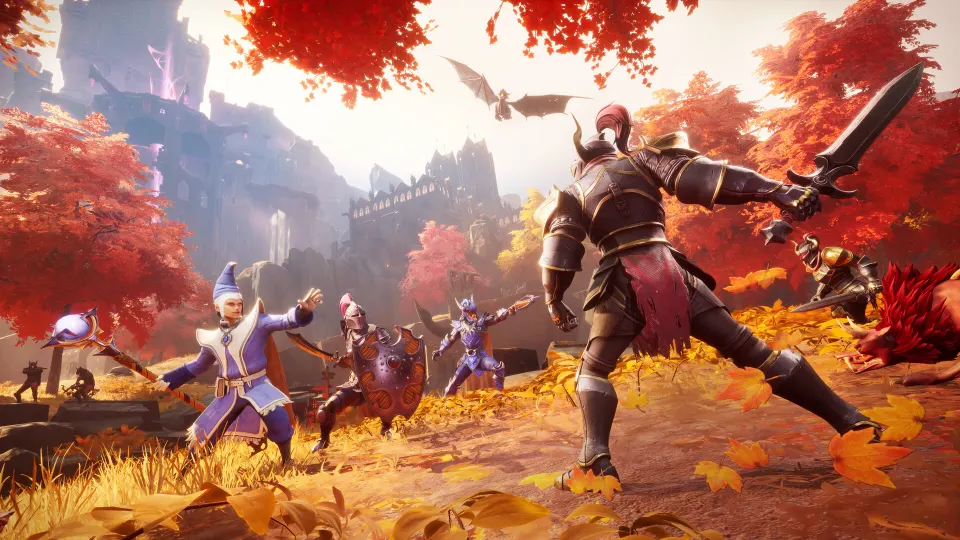
Melee with a shield is the strongest default recommendation for dependable progression through difficult fights. Magic is appealing if you prefer distance and crowd control, while ranged rewards accuracy and positioning. Choosing a style that helps you survive matters more than chasing a damage ranking you cannot consistently reproduce.
RuneScape: Dragonwilds does not permanently assign your character a class. Your weapons, armor, and combat skills shape your build, and you can change equipment to use another style.
| Your priority | Recommended approach | Main advantage | Main consideration |
|---|---|---|---|
| Reliable dungeon and boss progression | Melee with a shield | Blocking, parrying, and counterattacks | Requires learning attacks at close range |
| Fighting from a distance | Ranged | Precise attacks and weak-point damage | Accuracy and positioning affect results |
| Elemental attacks and crowd control | Magic | Flexible spell effects | Magic armor is vulnerable to melee |
| Melee with faster stamina recovery | Melee weapons with mixed armor | Earlier stamina regeneration | Gives up the complete melee set bonus |
There is disagreement over the best starting choice. Hack the Minotaur recommends melee overall, while players in the Dragonwilds Facebook community describe magic as easier to use at range. Those recommendations prioritize different strengths: defensive consistency versus a more forgiving ranged attack style.
Why armor and stamina change the answer
A weapon determines how you attack, but armor helps determine which hits you can tolerate and how efficiently you fight.
The RuneScape: Dragonwilds Wiki combat page describes these defensive profiles and set benefits:
| Armor type | Defensive profile | Bonuses available through the set |
|---|---|---|
| Melee | Strongest against melee; weakest against magic | Cheaper blocking, increased critical chance after blocking, extra damage against staggered enemies |
| Ranged | Strongest against ranged; equal protection against melee and magic | Faster stealth movement, cheaper ranged attacks, increased weak-point damage |
| Magic | Strongest against magic; weakest against melee | Shorter stamina regeneration delay, faster magic attacks, increased magical critical chance |
These bonuses explain why armor selection should follow the encounter as well as your weapon. A caster taking repeated close-range hits may benefit from changing defensive pieces. An archer who consistently hits weak points has a stronger reason to preserve ranged set bonuses.
Stamina supports attacking, dodging, and blocking. According to the wiki, emptying it prevents attacks and dodges, while blocking without stamina causes you to stagger.
Skill levels also need the right expectations. The wiki states that levels do not directly increase damage; progression instead provides abilities and stamina benefits. If fights feel slow, inspect your weapon and equipment alongside your skill unlocks.
Building a reliable melee character
Start with a one-handed weapon and shield if you want to learn enemy patterns with a blocking option available. Practice recognizing when to defend and when an opening is long enough for a counterattack. Repeatedly attacking until stamina runs out undermines the main benefit of this setup.
The Dragonwilds Wiki identifies three useful early Attack milestones:
| Attack level | Unlock | Practical value |
|---|---|---|
| 5 | Parry | A correctly timed block can stagger an attacker and create an opening |
| 8 | Melee Weapon Special Actions | Adds weapon-specific actions that use special action energy |
| 11 | Tempest Shield | Prevents damage while blocking for a limited duration, then releases a burst |
These unlocks make early Attack progression worthwhile without requiring you to grind toward the maximum level before exploring.
Two-handed weapons offer another melee approach. Greatswords, greataxes, and warhammers suit players who prefer heavier attacks, but choosing one means giving up a separate shield.
For later equipment, BisectHosting's build guide highlights the Zombie Axe for its crush and slash damage and recommends upgrading it as stronger tiers become available.
When ranged or magic is the better choice
Ranged for precision and positioning
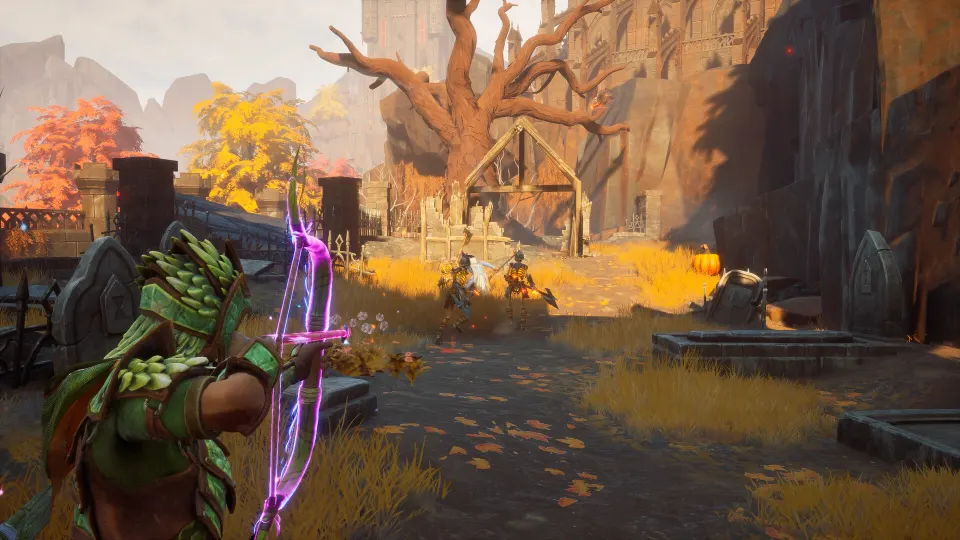
Ranged suits players who want to begin encounters at a distance and exploit weak points. Its armor bonuses support that approach by reducing ranged attack stamina costs and increasing weak-point damage. If your shots rarely connect with those targets, you are missing part of the style's advantage.
Bows and crossbows also support specialized ammunition. BisectHosting describes options that inflict effects such as poison, bleeding, or burning.
Community players praise crossbows for strong damage, including shield-compatible setups. This also challenges claims that every ranged character must rely entirely on dodging. Treat claims about exceptional damage from rapid shot resets as technique-dependent reports rather than a guaranteed result for a new character.
Magic for control and elemental flexibility
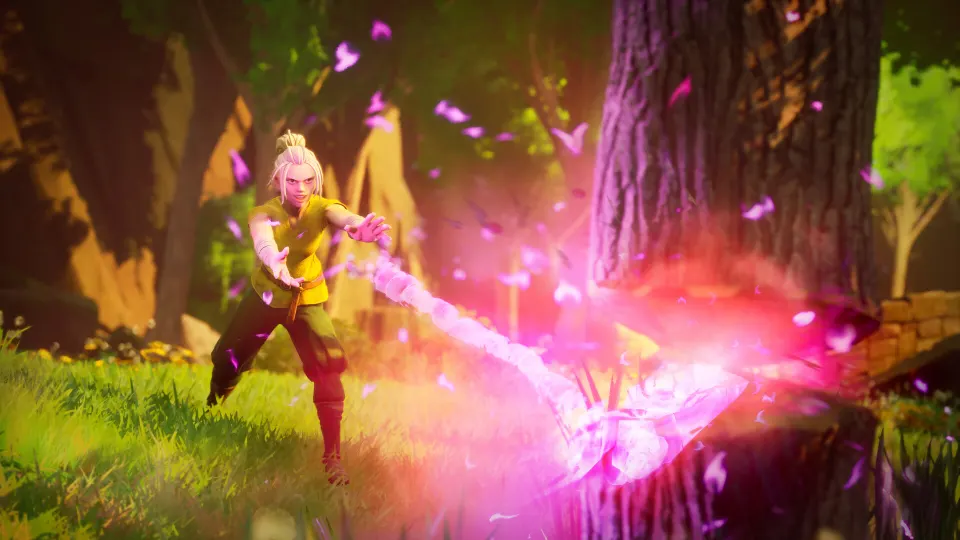
Magic offers air, fire, water, and earth damage types. Its appeal includes controlling enemies and selecting useful spell effects, especially when keeping opponents away helps you maintain a comfortable fighting rhythm.
Player discussions on Reddit and Facebook describe these practical preferences:
- Air: Favored for single-target attacks, with players also reporting knockback or stun utility.
- Fire: Favored for area damage and damage over time, including opening an encounter before switching to melee.
- Water: Favored for healing and control, although players describe its attacks as slower.
These are community recommendations, so check the abilities and equipment available to your character before building around a particular effect. Also inspect enemy weaknesses in your journal rather than assuming one element is best throughout an entire region.
Magic can work solo, but it demands attention to spacing because magic armor is weakest against melee attacks. In co-op, a teammate occupying nearby enemies can give a caster more room to use control effects and attack safely.
How to prepare your build for tougher fights
Once you understand your preferred weapon, compare armor combinations around the problem you need to solve. Faster recovery, stronger blocking, and improved spell offense are different benefits; the right choice depends on how the fight is going.
| Equipment approach | Best reason to use it | What you give up |
|---|---|---|
| Full melee armor | Support blocking and capitalize on staggered targets | The stamina regeneration delay benefit from magic armor |
| One magic headpiece with two melee pieces | Combine earlier stamina recovery with melee defenses and partial set bonuses | The complete melee set's stagger damage bonus |
| Full magic armor | Preserve bonuses supporting magic attack speed and critical chance | Better protection against incoming melee attacks |
BisectHosting recommends the mixed melee setup and identifies its single magic piece as providing 50% less stamina regeneration delay. That reduces the pause before regeneration begins; it does not mean stamina regenerates twice as fast. The guide favors the head slot so the body and leg slots retain melee armor.
Before entering a difficult area:
- Update your equipment. Do not expect a higher combat skill alone to compensate for an outdated weapon.
- Review enemy weaknesses. Choose an appropriate damage type when your available equipment supports it.
- Bring food. Health recovery can keep a recoverable mistake from ending an expedition.
- Reserve stamina. Leave enough for a defensive response instead of spending everything on attacks.
- Carry a useful alternative. A melee backup helps when enemies close on a ranged character; a ranged option helps when approaching is awkward.
If you keep losing, identify the cause before changing your whole build. Running out of stamina, missing weak points, and absorbing melee hits in magic armor require different adjustments.
FAQ
What is the best runescape dragonwilds class for solo play?
Melee with a shield is the best general recommendation for consistent solo progression. Magic is a reasonable alternative if you prefer ranged attacks and crowd control. Choose ranged if accurate shots and maintaining distance feel more natural than blocking and parrying.
Can you change classes without starting over?
Yes. Change your weapons and armor to switch combat styles. Attack, Ranged, and Magic progress independently, so a secondary style may need practice before its abilities and stamina efficiency catch up with your primary one.
Should a melee character wear a magic armor piece?
It is a useful option once suitable gear is available. A magic headpiece can shorten stamina regeneration delay while preserving two melee pieces. Full melee armor remains worth considering when you regularly stagger enemies and want its complete set bonus.
Does magic always deal less damage than ranged?
That is too broad a conclusion. Hack the Minotaur describes weaker high-tier magic damage, while community players value its elemental attacks, control, and hybrid combinations. Equipment, enemy weaknesses, accuracy, and time spent defending all affect practical performance.
Should beginners level all three styles equally?
Choose one primary style while learning combat and upgrading equipment, then develop alternatives with a clear purpose. You can experiment freely, but keeping several styles equally equipped takes more preparation than maintaining one reliable setup and a useful backup.